Choosing the right care home in Leicestershire can feel overwhelming, particularly when decisions need to be made quickly or during times of change. Families often want reassurance that their loved one will be safe, supported and able to continue living in a way that feels familiar and meaningful.
Understanding what to look for can help bring clarity during this process. While every situation is different, there are some key areas that can help guide families towards a decision that feels right for them.
Understanding the Type of Care That Is Needed
The first step is understanding the level of support required. Some people may need help with daily routines such as personal care and meals, while others may require more consistent clinical support.
Residential care is often suitable for those who would benefit from companionship and assistance with everyday tasks. Nursing care provides additional clinical oversight for people with more complex health needs, while dementia care offers structured support for those living with memory loss.
Taking time to understand current needs, as well as how these may change over time, can help families choose a care home that provides continuity and reassurance.
Considering Location and Accessibility
Location plays an important role when choosing a care home. Remaining close to familiar communities can help residents feel more comfortable, while also making it easier for family and friends to visit regularly.
Many families looking for a care home in Leicestershire choose a setting that is within easy reach of towns such as Hinckley, Leicester, Loughborough and Nuneaton. Being able to maintain these connections can make a meaningful difference to wellbeing and help residents stay connected to their support network.
A well-located home allows visits to remain part of everyday life, rather than something that feels difficult to arrange.



Visiting the Home and Observing Daily Life
Visiting a care home is one of the most important parts of the decision-making process. It provides an opportunity to experience the environment and gain a sense of how daily life feels.
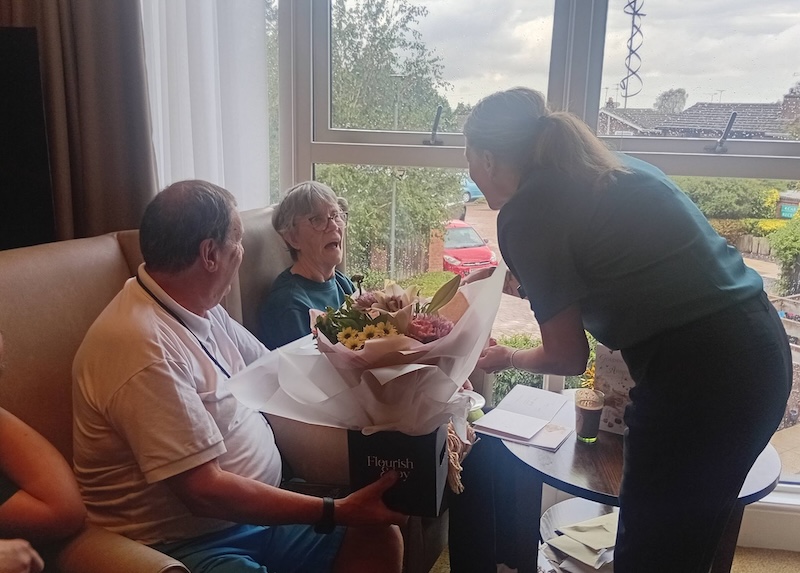
Families often find it helpful to notice how residents and team members interact, whether the atmosphere feels calm and welcoming and how comfortable residents appear in their surroundings.
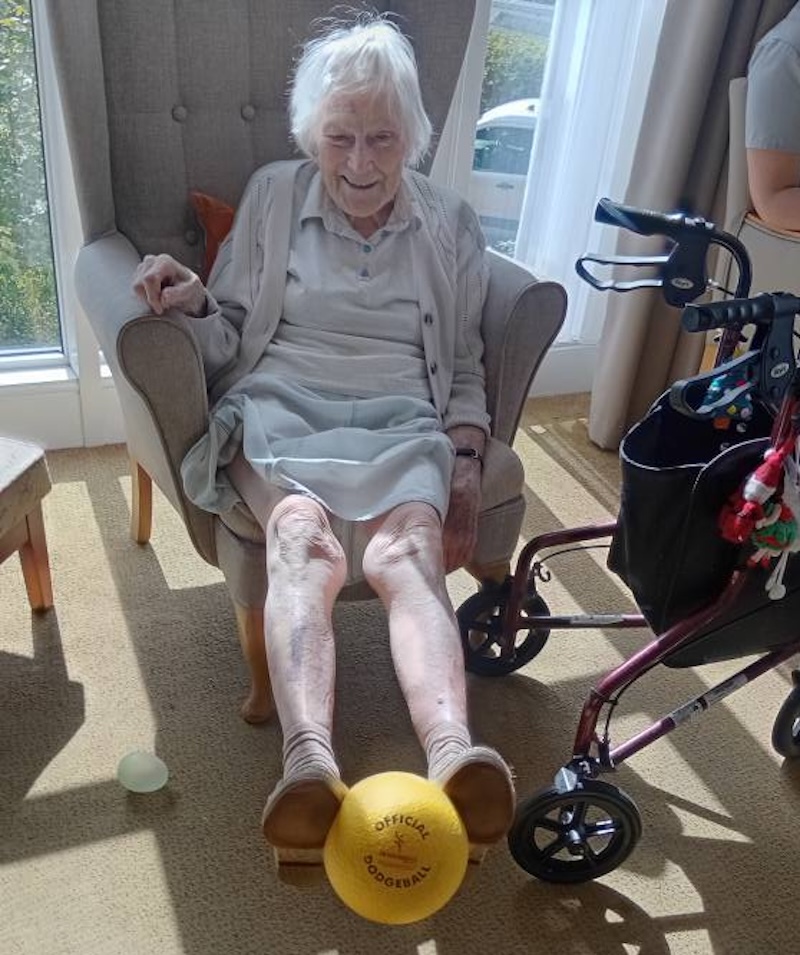
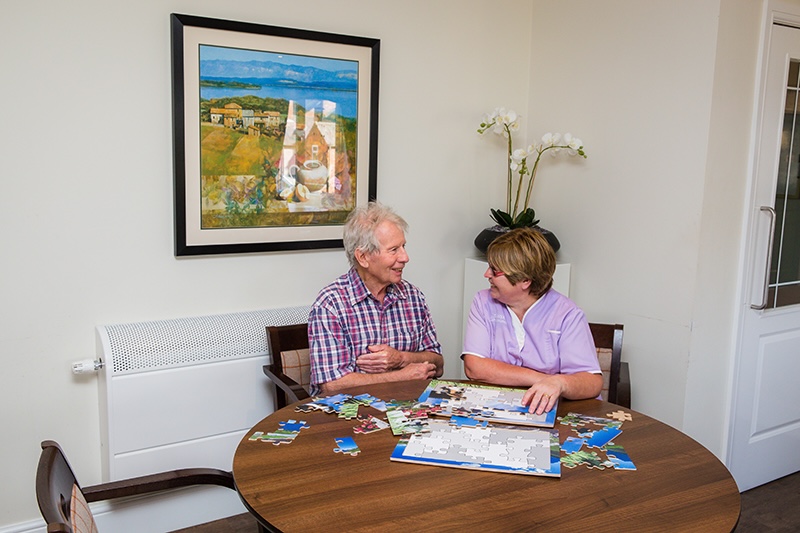
Small details can offer reassurance. These might include how staff communicate with residents, whether people appear engaged in activities or relaxed in shared spaces, and whether the home feels settled and supportive.
Understanding How Care Is Personalised
Every resident has their own routines, preferences and experiences. A good care home will take time to understand these and reflect them in daily life.
Care plans should be shaped around the individual rather than following a standard approach. This includes understanding personal routines, cultural preferences, hobbies and relationships.
Personalised care helps residents maintain their identity and independence, even as their needs change. It also helps create a sense of familiarity, which can be particularly important during the transition into care.
The Importance of Routine and Familiarity
Moving into a care home is a significant change and maintaining familiar routines can help make that transition feel more manageable.
Homes that support flexible daily routines allow residents to wake, eat and spend their time in ways that feel natural to them. This helps people feel more in control of their day and supports emotional wellbeing.
For those living with dementia, consistency and familiarity can also help reduce anxiety and create a greater sense of reassurance.

Involving Family in the Care Journey
Families play an important role in supporting their loved one, even after they move into a care home. Open communication and ongoing involvement can help ensure that care continues to reflect the resident’s needs and preferences.
It can be helpful to choose a home that encourages regular visits and keeps families informed about daily life and any changes in care. Feeling included in the process often provides reassurance and helps maintain strong relationships.
Taking Time to Make the Right Decision
Choosing a care home is rarely a quick decision and it is important for families to take time to consider their options where possible.
Comparing different homes, asking questions and arranging visits can all help build a clearer picture of what each home offers. Speaking with care teams can also provide reassurance and help families understand how support would be delivered in practice.
For those looking for a care home in Leicestershire, finding a setting that balances professional support with a welcoming environment can help ensure that residents feel comfortable, respected and supported each day.
Finding the Right Support in Leicestershire
For families exploring care options, Ashton Care Home provides residential care, nursing care and dementia support in a setting designed around comfort, routine and individual needs.
Located in Hinckley, the home supports residents from across Leicestershire, helping them remain connected to familiar communities while receiving the support they need.
Taking time to understand what matters most can help families make a decision that feels right, both now and in the future.
Speak With Our Team About Care in Leicestershire
Choosing a care home can feel like a big step and it can help to talk through your options with someone who understands the process.
If you would like to learn more about care at Ashton Care Home in Leicestershire, our team would be happy to speak with you. Get in touch.

Frequently Asked Questions About Choosing a Care Home in Leicestershire
How do I know when it is time to consider a care home?
It may be time to consider a care home when daily routines become more difficult, or when additional support is needed to maintain safety and wellbeing.
What should I look for when visiting a care home?
Families often look for a calm and welcoming environment, positive interactions between staff and residents, and evidence of personalised care.
Can care needs change over time?
Yes. A good care home will adapt support as needs change, helping provide continuity and reassurance.
Is it important to stay local when choosing a care home?
Staying close to familiar communities can help residents feel more comfortable and makes it easier for families to visit regularly.