What to Look for in a Residential Care Home
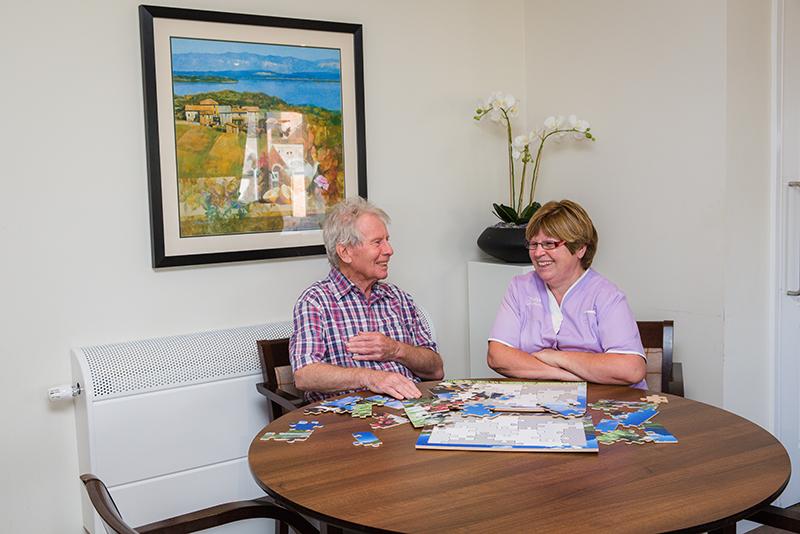
Choosing a care home can bring up big questions, strong emotions, and a lot of uncertainty, especially when care needs are complex or time feels short. Having the right information at the right time can make the process feel more manageable. Whether you’re planning ahead, responding to a sudden change, or simply exploring your options, understanding what to look for in the right care home is a crucial first step. In this article, we’ll walk through the key factors to consider, from types of care and daily life, to financial planning and emotional support, so you can feel more confident making a choice that prioritises comfort, dignity, and quality of life for your loved one.
What’s the Difference Between Residential and Nursing Homes?
One of the first things to understand when exploring care options is the difference between residential care and nursing care. While both offer support with day-to-day living, they provide different levels of medical oversight and assistance.
Residential care homes support people who need help with daily tasks like washing, dressing, and meals, but who don’t require ongoing medical attention. These homes are designed to feel warm and welcoming, offering a balance between support and independence in a homely atmosphere. Nursing homes, on the other hand, provide all the same daily living support but with the added benefit of 24/7 medical care from qualified nurses. This is often the right choice for people with long-term health conditions, mobility challenges, or more complex medical conditions that require regular medical monitoring.
Many care homes now offer combined services, including respite care, allowing residents to stay in the same place even as their care needs change over time, and provide more support, which can be reassuring for families planning for the future.
What Level of Support is Right?
No two people have the same care needs. That is why it is important to get a clear picture of the kind of support that would suit you or your loved one best. A care needs assessment, usually carried out by the local council, can help identify the right level of support. This assessment takes into account more than just physical care needs. It also considers emotional wellbeing, social connections, and cognitive health. If you are self-funding, you may have more flexibility in choosing a care home. However, it is still helpful to get professional advice from trusted sources such as Age UK or local care advisors. Taking time to understand care and support needs early on will help narrow your search and give you more confidence in choosing a home that offers the right support and environment.
Residential Care is Everyday Support That Feels Like Home
Residential care is designed for people who need a little help with daily tasks, but who still want to enjoy as much independence as possible. This type of care offers support with everyday activities such as bathing, dressing, personal hygiene, taking medication, and moving around safely.
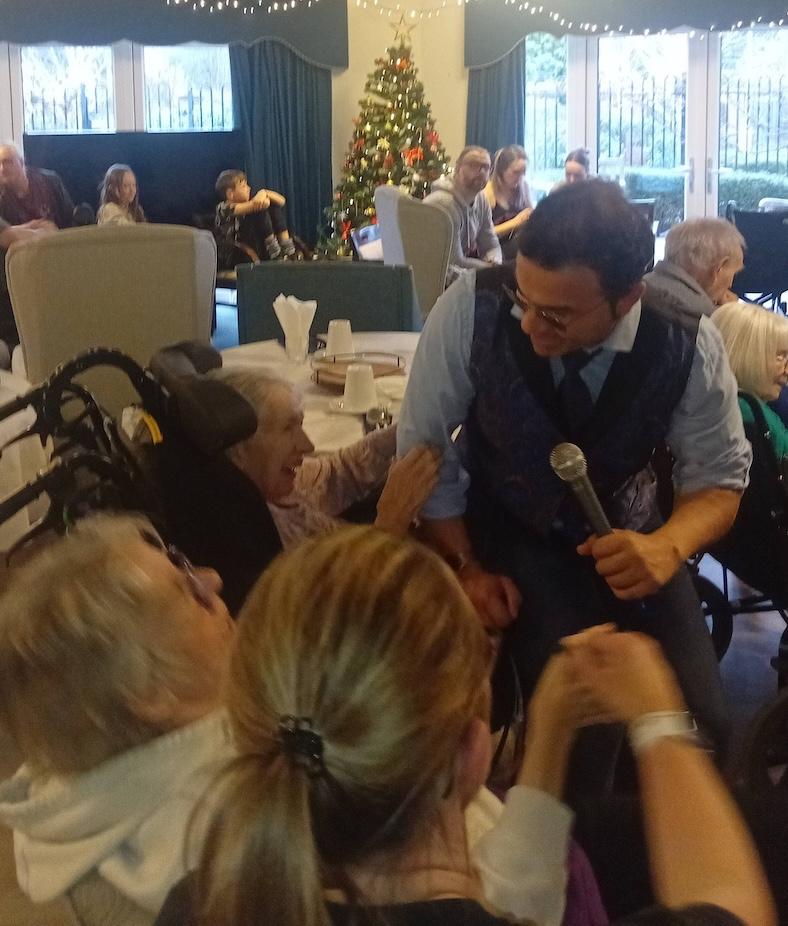
What makes residential care so comforting is its focus on creating a homely environment. Residents are encouraged to go about their daily routines, spend time doing what they enjoy and take full advantage of the on-site services, amenities and social opportunities available. Care team members are on hand 24 hours a day to provide as much or as little support as needed. Whether someone needs regular help or just a little reassurance from time to time, residential care allows individuals to live with confidence, and comfort in a place that feels like home.

What to Look for Beyond the Care Home Brochure
Online research is a helpful place to start, but nothing replaces visiting a care home in person. Seeing the environment for yourself, meeting the staff, and getting a feel for the day-to-day atmosphere can tell you far more than photos or reviews ever could.
Pay attention to how staff interact with residents, whether the spaces feel clean, comfortable and welcoming, and how residents spend their time. Do people seem relaxed? Is there a sense of community? These small details often reveal a lot about the care and culture within a home. It is also worth checking the Care Quality Commission (CQC) website to read the latest inspection reports. These give an independent view of a care home’s standards in areas such as safety, responsiveness and leadership. The most complete picture comes from combining first-hand visits with trusted information sources. Conversations with current residents and their families can also offer valuable insight into what everyday life is really like.
Understanding CQC Ratings and What They Mean
All care homes in England are regulated by the Care Quality Commission (CQC), which carries out regular inspections to ensure homes meet national standards for safety, quality and resident wellbeing.
Each inspection results in a public report and a rating, Outstanding, Good, Requires Improvement or Inadequate, based on how well the home performs in key areas. These include safety, leadership, responsiveness, and how caring and effective the service is. Reading a home’s CQC report can offer helpful insight into its strengths, as well as any areas that may need improvement. You can find these reports online at the CQC website, and they are often displayed within the home itself.
It is important to remember that CQC inspections set the minimum standards. Many care homes aim to go beyond these requirements by creating warm, supportive environments where residents are treated with dignity and truly feel at home.
What to Look for When You Visit a Care Home
- Are staff friendly, respectful and attentive to residents?
- Do residents seem relaxed, comfortable and well cared for?
- Is the home clean, warm and welcoming?
- Are communal spaces inviting and well maintained?
- What kinds of activities are taking place during your visit?
- Are meals and menus on display? Do they look appealing?
- Are there private spaces for visitors and family members?
- How are residents supported with mobility or personal care?
- Does the care home feel like a place you or your loved one could call home?
Paying for Care and What to Expect with Fees and Funding
Care home fees can vary depending on the type of support provided, the home’s location, and the facilities available. That is why it is important for a self funder to understand the financial side of care early in the process, especially if you are comparing different options. Many people begin by arranging a financial assessment with their local council. This helps determine whether the council will contribute towards care costs or whether the person will need to fund the care themselves. Even if you expect to self-fund, it can be useful to speak to a financial adviser or organisations like Age UK for guidance.
Care home fees usually include accommodation, meals, everyday personal care and a range of activities. However, some care homes are all-inclusive and others charge extra for additional services, such as hairdressing, chiropody, or private therapies. It is important to ask for a clear breakdown of what is included and what might incur extra cost, to avoid any surprises later on. Self-funding residents often have more freedom to choose where they live, but it also means planning ahead is key, especially if care needs change over time.
Environment, Activities and Wellbeing
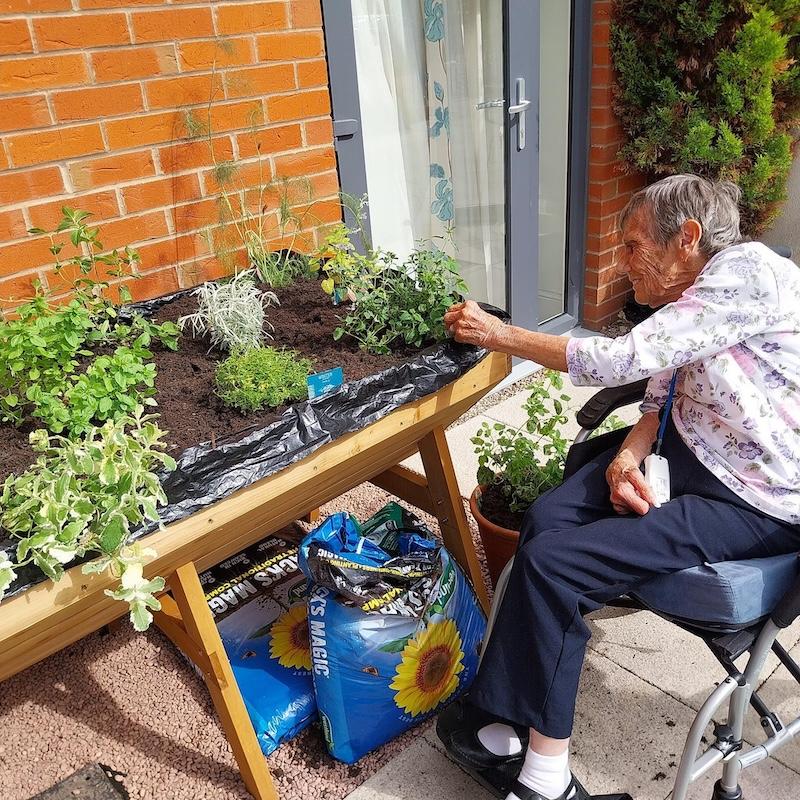
A care home is more than a place to receive support, it's a place to live. That is why the environment and daily life matter just as much as the care itself. Communal spaces like lounges, dining rooms and gardens should feel welcoming and relaxed. These areas help create a sense of community and provide space for residents to socialise, enjoy meals together or spend time with visitors. Outdoor areas also give residents the chance to enjoy nature and fresh air, which can boost mood and wellbeing.
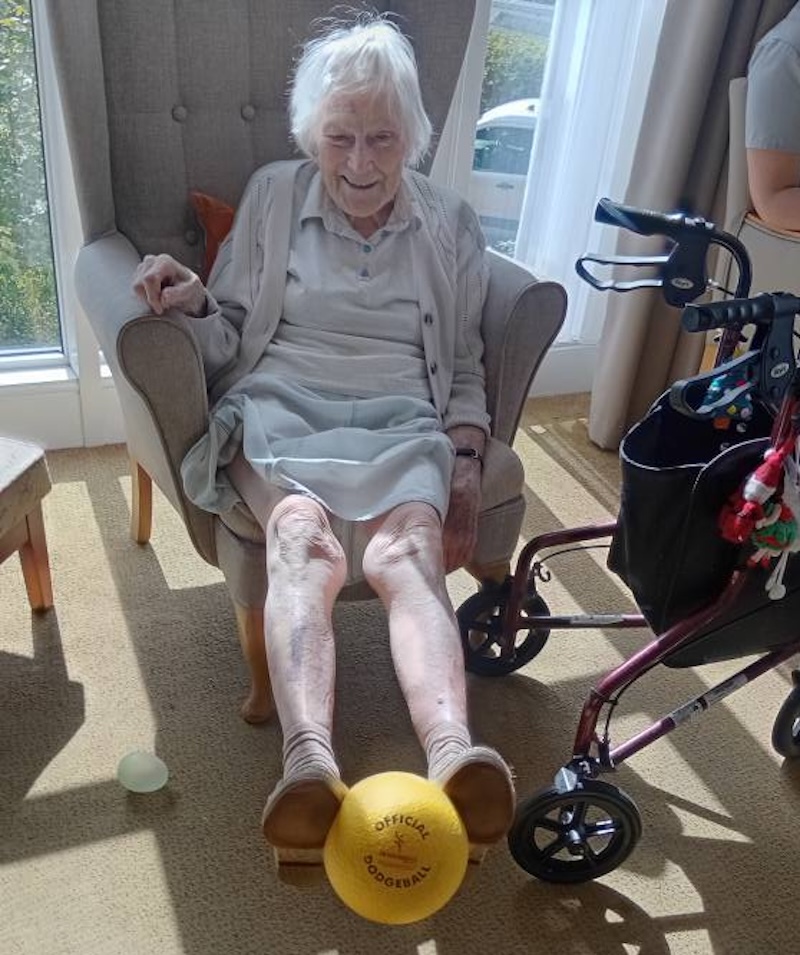
Daily activities play an important role in maintaining physical health, mental stimulation and emotional connection. Many care homes offer things like gentle exercise sessions, arts and crafts, games, musical events, or trips out in the local area. In addition to group activities, some homes provide services such as hairdressing, chiropody and beauty treatments. These small touches can make a big difference to how residents feel day-to-day. No two homes offer exactly the same environment or routine, so it is important to choose one that fits with the individual’s interests, personality and lifestyle.

Family Involvement and Ongoing Support
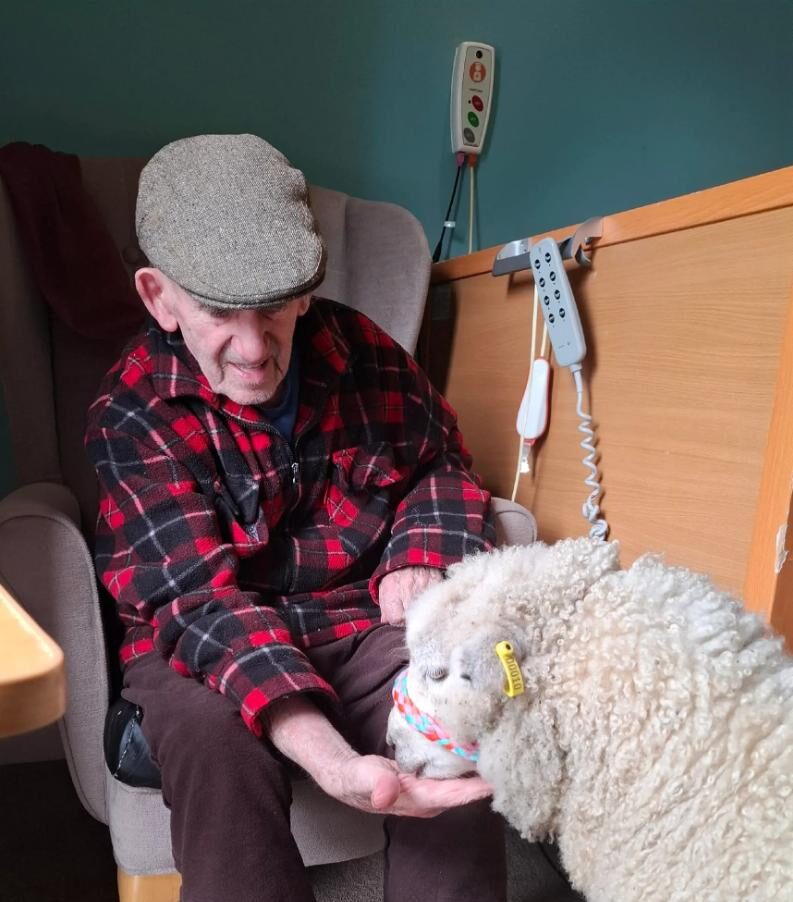
Moving into a care home does not mean leaving family life behind. Staying connected with loved ones is a vital part of emotional wellbeing, and good care homes make this a priority. Comfortable spaces for visits, flexible visiting hours, and a warm welcome all help maintain those important family relationships. Feeling connected to others often plays a key role in helping residents settle in and feel at home.
Communication is also essential. Families should feel confident that they will be kept informed about any changes in care needs, routines, or wellbeing. Regular updates and open conversations help build trust between families and the care team. Many homes also offer access to services such as physiotherapy, occupational therapy, or counselling. These additional layers of support reflect a more holistic approach to care, one that recognises the importance of physical, emotional, and social wellbeing, leading to excellent care.
Getting Support from Local Authorities and Care Services
Local councils and adult social care services play an important part in helping families make informed choices about care. Whether it is understanding funding options, arranging a care needs assessment, or exploring available support, these services can offer both practical and financial guidance.
A care needs assessment, usually arranged through the local authority, is a key first step. It helps identify the level of care provided and required and can influence both care planning and funding eligibility. Even if you plan to self-fund, going through this assessment can still provide useful clarity. For families navigating the care system for the first time, organisations such as Age UK and local advocacy groups can offer free advice, information and support. These services help you understand your rights and explore all the options available.
The care system can feel complex at first, but there is help available, and knowing where to turn can make the journey much easier.
Food, Daily Living, and the Details That Matter
Mealtimes and daily routines are a big part of life in a care home. That is why attention to the small details, from food choices to personal care, can make a meaningful difference to how someone feels each day.
Nutrition is an essential part of overall health and wellbeing. Meals should be varied, balanced and enjoyable, with consideration given to individual dietary needs, allergies, cultural preferences and personal tastes. Many homes serve meals in shared dining areas, helping to make mealtimes sociable and enjoyable. In terms of daily care, a thoughtful approach makes all the difference. Support with things like washing, dressing, medication, and mobility should always be delivered with exceptional care, dignity, and respect. The best care homes aim to strike the right balance, offering just the right level of assistance while still encouraging independence. When daily life is handled with care and attention, it helps residents feel more comfortable, more confident, and more at home.
Making the Right Choice with Confidence
Choosing a care home is a big decision, one that takes time, thought, and care. Whether you are planning ahead or responding to a more urgent need, having the right information can make the process feel less overwhelming.
By taking time to explore the options, understand different types of care, and consider both emotional and practical needs, families can make confident decisions that support the wellbeing of their loved ones. If you are looking to find care homes or exploring care options in Leicestershire, we encourage you to seek advice, and are here to help. Contact us at The Ashton Care Home to speak with someone who understands the journey you are on.