Christmas can be a special time for families, but it can also bring challenges when a loved one is living with dementia. Changes to familiar routines, busy family gatherings and a home filled with unfamiliar decorations, sounds and smells can sometimes feel overwhelming.
For families, it can be difficult to know how to make Christmas enjoyable while also ensuring their loved one feels comfortable and included. The most important thing is to remember that Christmas does not have to look exactly as it did in previous years. Small, familiar moments can be just as meaningful.
If you are supporting someone with dementia, there are several ways to make the festive period more comfortable while helping them stay connected with the people and traditions that matter to them.
Why Can Christmas Be Difficult for A Loved One With Dementia?
Christmas often involves changes to a person's usual routine. There may be more visitors, later meals, different foods, music playing throughout the day and more activity around the home.
For someone living with dementia, these changes can sometimes cause confusion or anxiety. A busy room filled with unfamiliar faces may also become tiring, particularly if several people are talking at once.
This does not mean that someone with dementia cannot enjoy Christmas. It simply means that celebrations may need to be adapted around their individual needs, preferences and abilities. Keeping things familiar and allowing them to take part at their own pace can make the festive period easier to enjoy.
Keeping Christmas Familiar for People With Dementia
Familiarity can be reassuring when someone is living with dementia. Where possible, try to maintain parts of their normal routine, including regular mealtimes, rest periods and familiar activities.
Christmas traditions can also provide a sense of continuity. Listening to a favourite Christmas song, watching a familiar film, looking through old photographs or preparing a traditional family recipe can create opportunities for conversation and reminiscence.
It can be helpful to introduce decorations gradually rather than changing the whole environment at once. Familiar decorations or items that have been part of family Christmases for many years may also be more meaningful than creating an entirely new festive setting.
How Can You Involve Someone With Dementia at Christmas?
Being involved can help someone with dementia feel included rather than simply being a spectator during Christmas preparations.
Depending on their interests and abilities, they might help decorate the Christmas tree, arrange cards, set the table, wrap presents, prepare simple food or choose some of the music. Even a small task can give someone a sense of purpose and allow them to take part in a familiar tradition.
Activities should always be adapted to the individual. It can be a good idea to take lead from the person with dementia and consider whether they are enjoying an activity, rather than expecting them to participate in a particular way.
What Christmas Activities Are Suitable for Older People With Dementia?
There is no single list of activities that will suit everyone with dementia. What someone enjoys will depend on their interests, abilities and stage of dementia.
Simple activities can often be particularly effective. Listening to favourite music, singing familiar songs, looking through photographs, doing arts and crafts, baking, playing a familiar game or even religious activities can provide opportunities for enjoyment and connection.
Reminiscence can also be valuable. Talking about previous Christmases, looking at family photographs or listening to music from someone's younger years may encourage memories and conversations. However, it is important to follow their lead, as memories of Christmas can sometimes bring difficult emotions as well as positive ones.
What If Christmas Becomes Overwhelming?
It is important not to feel that every part of Christmas has to be a group celebration. Someone with dementia may enjoy spending time with family but become tired or unsettled when there are too many people, too much noise or too much activity.
Having a quieter room or space available can give them somewhere to relax when they need a break. Families can also consider spreading visits throughout the festive period rather than having everyone arrive at once.
Pay attention to how your loved one responds. If they appear uncomfortable or tired, giving them some quiet time may be more helpful than encouraging them to continue with an activity. Try to allow Christmas plans to be more flexible than they would otherwise be.
How Can Families Help A Loved One With Dementia Feel Less Lonely at Christmas?
Dementia can make social situations more difficult, but this does not mean that someone should become isolated. Spending time together does not always need to involve a large family gathering.
A quiet conversation, listening to music together, looking through a photo album or sharing a familiar meal can all provide meaningful companionship. For family members who cannot visit in person, a phone or video call may also help maintain contact, although this should be guided by what the person with dementia finds comfortable.
For families who are increasingly concerned about an older relative spending long periods alone, Christmas can also prompt a wider conversation about whether they have enough companionship and support throughout the year.
How Dementia Care Can Help Someone Enjoy Christmas
For some families, Christmas can highlight difficulties that have been developing for some time. An older person may be finding it harder to manage their daily routine, becoming increasingly isolated or needing more support than their family can provide.
Dementia care in a trusted care home can provide a more consistent environment where support is available throughout the day. Alongside help with personal care and daily routines, residents can have opportunities for companionship, activities and social interaction accessible for all cognitive ability.
This can be particularly reassuring over Christmas. Rather than relying entirely on family members to provide support, an older person can have people around them every day while still maintaining relationships with those closest to them.
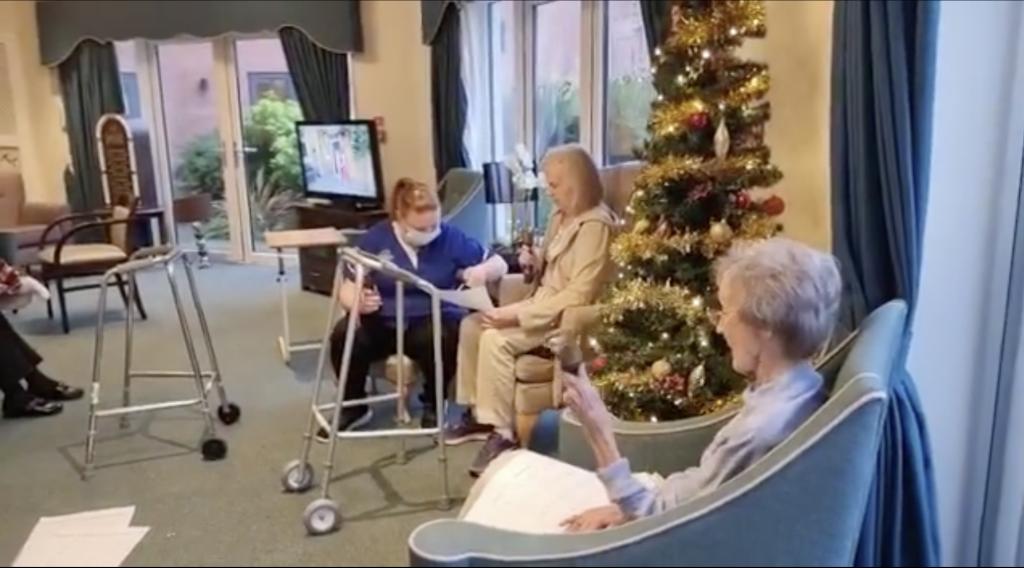
What Is Christmas Like in a Dementia Care Home in Hinckley?
Christmas in a dementia care home should be adapted around the people who live there rather than expecting everyone to celebrate in the same way.
Festive activities may include decorating, music, baking, arts and crafts, reminiscence sessions and Christmas meals. Residents may have opportunities to spend time with family members and take part in familiar traditions. There may also be trips into the local community to enjoy festive markets or Hinckley’s Christmas lights switch-on.
A good dementia care environment should also recognise that not everyone will want to participate. Some residents may prefer a quieter activity or simply enjoy sitting with others and listening to familiar music.
For families considering dementia care in Leicestershire, it can be helpful to ask how a care home approaches Christmas, how activities are personalised and how residents are supported if the festive period becomes overwhelming.
Dementia Care in Leicestershire at The Ashton
For families looking for dementia care in Leicestershire, finding a care home where a loved one can continue to feel like themselves is an important part of the decision.
The Ashton Care Home in Hinckley provides personalised dementia care designed around each resident's needs, preferences and abilities. The team works with residents and their families to understand their histories, interests and routines, helping to provide care that supports both independence and quality of life.
The Ashton also offers residential care, nursing care and respite care, allowing care to be tailored to different needs and circumstances. For someone living with dementia who requires additional nursing support, this can provide continuity as their care needs change. Respite care can also provide short-term support for families who need a break or want to explore care home life.
Christmas at The Ashton Care Home
At The Ashton, Christmas is an opportunity to bring familiar traditions into everyday care while giving residents opportunities to spend time with others. The home's varied activities programme includes arts and crafts, games, baking and film afternoons, with activities adapted around residents' interests and abilities so everyone can get involved.
The home also provides spacious lounges, dining areas, landscaped gardens, a library, cinema room and hair salon, giving residents different spaces to socialise or enjoy quieter moments. An in-house minibus also provides opportunities to stay connected with the local community when suitable.
For families, choosing dementia care is a significant decision. Visiting The Ashton Care Home in Hinckley can provide an opportunity to see the environment, meet the team and discuss your loved one's individual needs, including how they can be supported throughout the Christmas period and beyond.
Frequently Asked Questions
What are the best Christmas activities for family with dementia?
The best activity depends on the individual’s preferences. Music, singing, reminiscence, familiar games, arts and crafts, baking and simple Christmas preparations can all be suitable, provided they reflect the person's interests and abilities.
Should a person with dementia attend a large family Christmas?
Not necessarily. Some people with dementia enjoy being surrounded by family, while others may find a large gathering overwhelming. Smaller visits, shorter gatherings or having somewhere quiet to retreat to can make spending time with family more comfortable.
Can my loved one with dementia move into a care home before Christmas?
There is no single right time to move into a care home. If someone is becoming increasingly isolated or needs more support with daily life, Christmas may highlight the need to consider their longer-term care arrangements. A move should be based on their individual needs rather than the time of year.