Care Homes vs Home Care
Choosing the right kind of support for a loved one is a decision that requires a lot of consideration and support.
Many families find themselves weighing up whether home care or a care home is the better option, and understanding what each route offers can help families feel more confident as they make the right decision for their loved one.
This blog explains what home care is, what a care home is and how each option supports daily life and future care needs.
What is a Care Home?
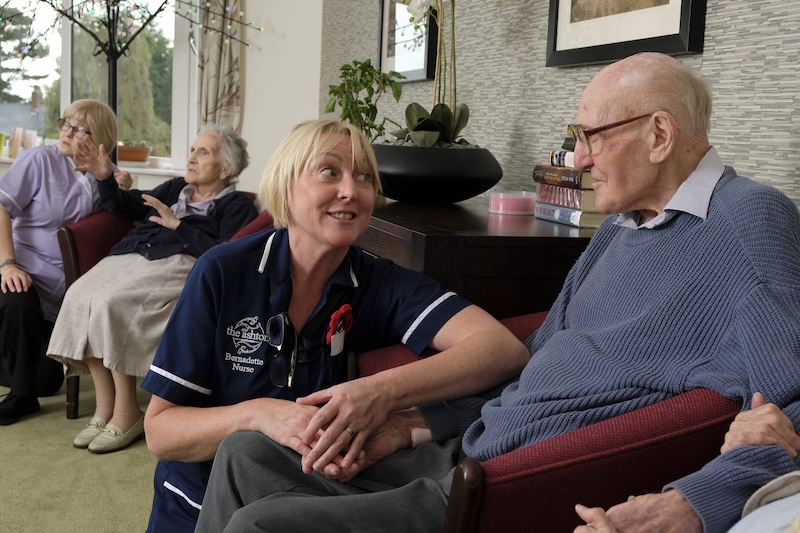
A care home is a tailored environment that can support residents on both a short-term and full-time basis, providing 24-hour support and tailored activities that enhance daily life.
It offers a different level of safety and continuity to home care. Instead of short visits, support is available throughout the day and night, with trained staff and nursing professionals on hand.
Care homes provide a structured environment that is designed to meet the needs of older adults, including those living with dementia or complex health conditions. They usually offer assistance with personal tasks like washing and dressing, eating, medicine management, mobility, and managing long‑term conditions. Many homes also provide companionship and regular activities that give opportunities to meet other residents. For those living with dementia, care homes can offer specialist dementia care, nursing care, and palliative care under one roof.
A care home may be particularly suitable when a person’s needs exceed what can safely be managed at home, or when family carers begin to feel burnt out. In a care home, residents still maintain their own preferences and routines, but they receive the support needed to live safely. Round‑the‑clock care, planned routines and a focused team can help prevent falls, manage medicines and respond quickly if a resident’s needs change.
What is Home Care?
Home care is where trained carers visit a person’s own home to help with daily tasks such as personal care, medication, meal preparation and light housekeeping. These visits usually take place at set times each day, ranging from short sessions to several visits, depending on the individual’s needs.
Home care can be a good option for someone who still feels independent but needs help with a few key activities. For example, it may suit a person who has low-level mobility needs or requires support with bathing. Remaining in their own home can feel comforting because the surroundings are familiar and they can continue their normal routines.
Home care services can be tailored to fit around the person’s routine, so visits happen at times when they need them. However, it is important to recognise that home care is often intermittent. Once the carer leaves, the individual may be alone for long periods, relying on their own abilities or on family support.
The Main Differences Between Care Homes and Home Care
The difference between care homes and home care also lies in the level of care and the social environment. Home care gives flexibility and familiarity through regular visits to the person’s own home. The person usually remains in a setting they know well, close to friends and family, which can be beneficial if this is important to an individual. While a care home does require an individual to move to a new environment, they offer a communal setting with like-minded individuals for residents to build connections with and regularly encourages loved ones to visit and stay involved.
In a care home, the support is continuous rather than time‑bound. If a resident’s condition changes suddenly, additional assistance is already available within the same building. A care home manager and a team of care staff, nurses, chefs, laundry assistants, maintenance and activity coordinators are all working together to maintain the safety and well-being of residents. This is especially reassuring for those who may have complex health conditions, progressive conditions or who are at risk of accidents like falls or hospital admissions.
On the other hand, home care can sometimes feel more like a series of short interventions, rather than a complete care package. After a visit, the person is often alone again, relying on their own abilities or on family support.

Choosing Between Home Life and a Care Home Environment
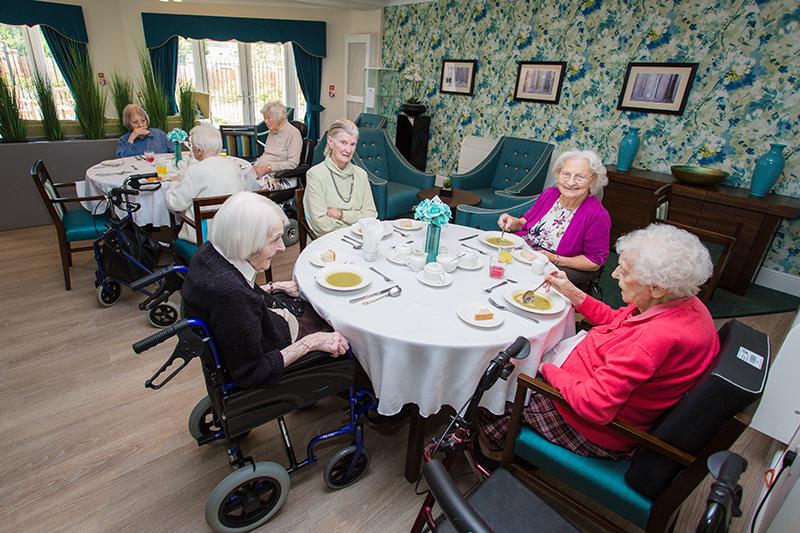
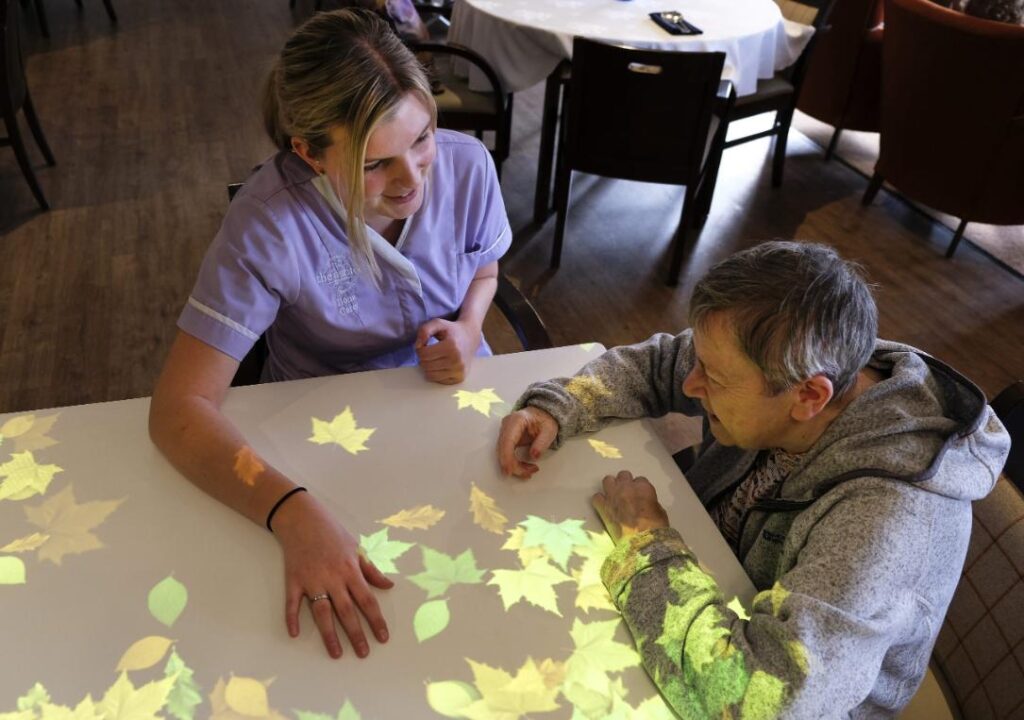
A home setting offers the comfort of familiar rooms and local surroundings, which can be very reassuring for someone who wants to stay in their own space for as long as possible. Daily life continues much as it always has, with routines centred around familiar places and familiar faces. In contrast, a care home provides a dedicated, purpose‑built environment designed specifically for safety and accessibility, with rooms that can be personalised while still offering on‑site support and consistent routines. Personalisation is important for individuals to have a feeling of security, especially those with cognitive impairments, as familiar items can help them feel at ease in an unfamiliar setting.
How to Decide Which is Best
A person's health needs and preferences should be taken into consideration while deciding between home care and a care home. Starting with an honest discussion about their priorities, such as remaining in the family home, having access to healthcare, or wanting more social interaction, might be beneficial.
It is important to conduct thorough research. If you are thinking about other services, spend some time researching them online, visiting their websites and reading reviews. This will assist you in understanding the standard of care given and the distinctive features of each service.
Additionally, scheduling in-person tours can be important for decision-making. You can observe how staff members engage with residents and get a firsthand look at the setting by going to a care home or participating in home care trial runs. This also ensures you can ask any questions you may have about everyday activities, medical support and care plans.
We Are Here To Support You at The Ashton Care Home
At The Ashton Care Home in Hinckley, we specialise in providing high‑quality residential care, dementia care, nursing care, respite care and palliative care within a warm and professional setting. Residents benefit from round-the-clock care, a personalised care approach and a structured environment that supports both health and well-being. Our friendly team understands how the transition into a care home can impact the whole family, and we are here to support you every step of the way.
Our care home in Leicestershire offers comfortable bedrooms, communal areas and a supportive social environment where residents can engage in group activities or have time to unwind. Family members are encouraged to visit regularly and to stay involved in care decisions, while receiving clear communication about any changes in health or day‑to‑day tasks. We aim to make the transition as smooth as possible for residents to help them settle into a new environment.
For those who feel that home care or living in their own home may no longer provide enough support, we at The Ashton offer a safe and reassuring alternative. Our home combines continuous care, specialist support, and a purpose‑built environment with the warmth and comfort of a home.
Contact us today to learn more about how we can help you and your loved one.